Why Commercial Small Animal Control Requires Professional Expertise
People searching for commercial small animal control are typically seeking safe, effective removal solutions that require specialized expertise, which local service providers can expertly provide.
Understanding why commercial small animal control requires professional expertise is essential for property owners facing issues with rodents, raccoons, or other wildlife encroaching on business premises. These situations often involve more than just removing animals; they require a comprehensive approach that includes identifying entry points, implementing effective exclusion methods, and ensuring the safety of the building’s occupants and visitors. Local service providers specializing in commercial small animal control have the experience and knowledge needed to handle these challenges efficiently, helping to protect property value and maintain a safe environment.
For property owners in the area considering solutions for wildlife intrusions, exploring the benefits of professional small animal control is a practical step. These experts understand the unique needs of commercial properties and can tailor their services accordingly, addressing the root causes of animal problems rather than just treating symptoms. By working with experienced local contractors, business owners can ensure that the job is handled correctly and effectively, reducing the risk of recurring issues and safeguarding their investments. Keep reading to learn more about how professional expertise makes all the difference in commercial small animal control.
- Commercial building inspections are essential when signs of small animal activity appear, and local contractors assess the extent of the problem with expertise.
- Wildlife exclusion projects require specialized techniques to ensure animals are safely removed and prevented from returning, which local service providers are trained to handle.
- Rodent proofing and sealing efforts are needed to protect commercial properties from future infestations, with local pros applying precise methods.
- Removing nests or burrows in commercial areas demands careful planning and knowledge of animal behavior, making professional intervention necessary.
- Ongoing monitoring and prevention strategies are vital for maintaining a small animal-free environment, and local contractors offer tailored solutions.
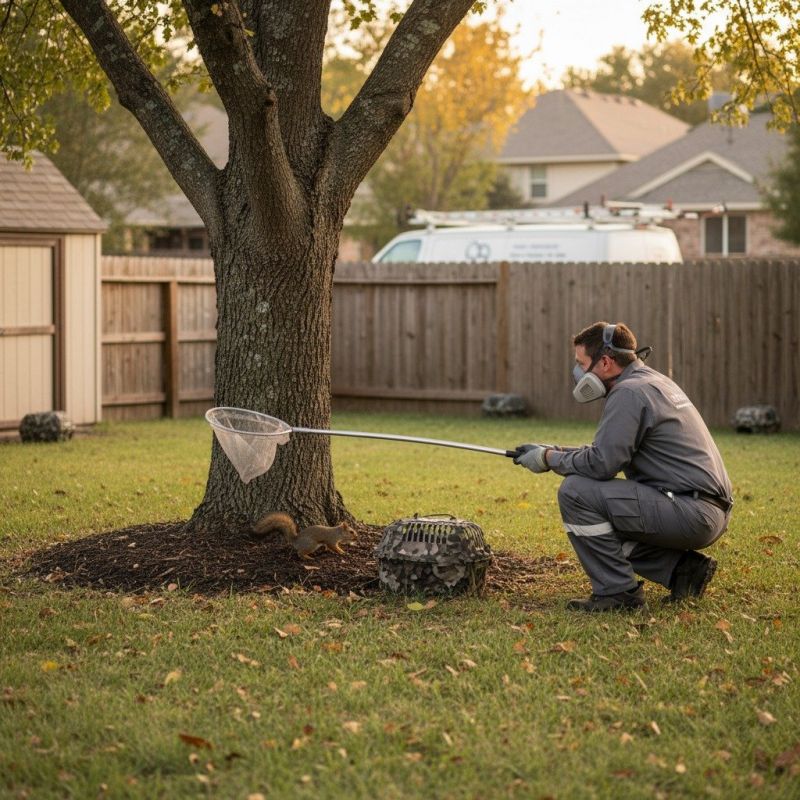
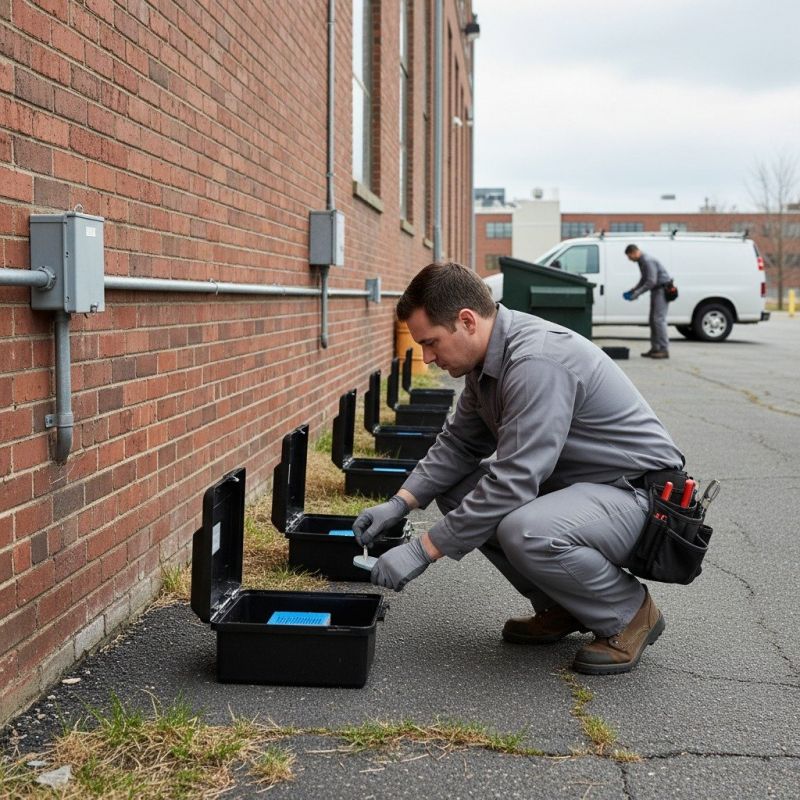
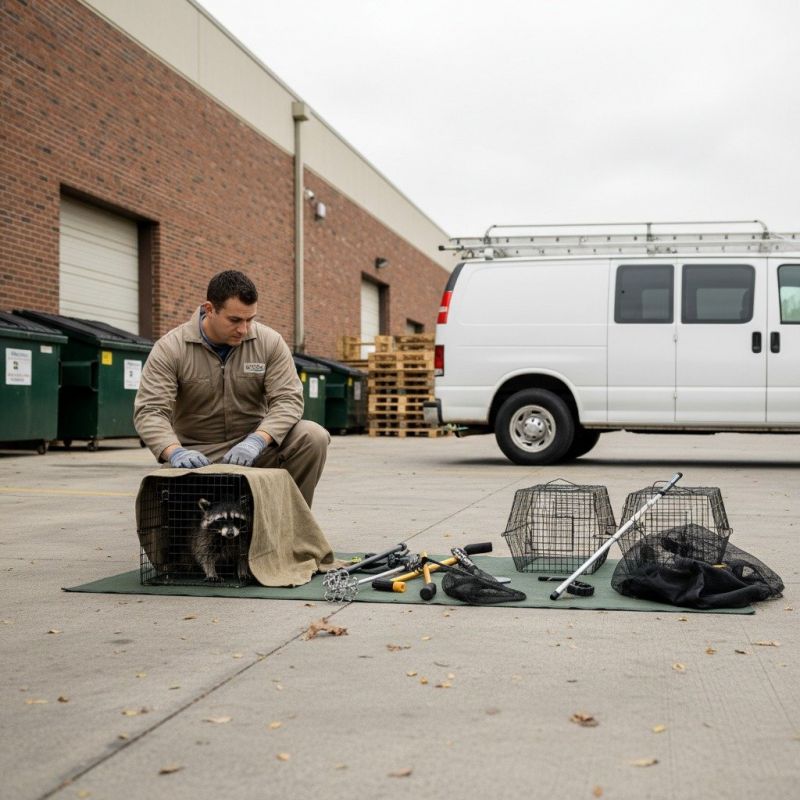
When people search for why commercial small animal control requires professional expertise, they are often trying to understand the complexities involved in managing unwanted animals on business properties. This might include rodents, raccoons, squirrels, or other small wildlife that can cause damage, spread disease, or disrupt operations. Property owners and managers may have concerns about safety, health risks, or the structural integrity of their buildings, prompting them to seek out experienced service providers who understand how to handle these issues effectively. The search typically stems from a desire to find solutions that are both thorough and compliant with local regulations, emphasizing the importance of specialized knowledge beyond simple pest removal methods.
These concerns are closely related to specific problems or plans such as preventing property damage, controlling infestations, or implementing long-term exclusion strategies. Commercial properties often face unique challenges because of their size, design, and usage, which can create ideal conditions for small animals to nest or gain entry. Planning for ongoing maintenance or repairs, especially after an animal has caused damage, requires a detailed understanding of animal behaviors and entry points. Local contractors with experience in commercial small animal control can assess the property, identify vulnerabilities, and develop tailored solutions to prevent future issues, helping property owners protect their investments and maintain a safe environment.
The types of properties that typically come up in discussions about commercial small animal control include warehouses, retail centers, office complexes, and industrial facilities. These properties often feature large roof spaces, accessible vents, or gaps in exterior walls that animals can exploit to gain entry. Parking garages, storage yards, and loading docks are also common sites where small animals might establish nests or burrows. Because these properties are used for business purposes, any animal-related problems can lead to operational disruptions or health concerns, making professional intervention essential. Local service providers are equipped to handle the unique challenges of these environments, ensuring that the control measures are effective and minimally disruptive to daily operations.
Understanding why commercial small animal control requires professional expertise helps property owners recognize the importance of relying on experienced service providers. These professionals possess the skills to evaluate the specific needs of each property, implement targeted exclusion and removal strategies, and ensure that infestations are thoroughly addressed. For homeowners or managers dealing with persistent or complex animal issues, knowing that specialized local contractors are available can make a significant difference in achieving long-term results. Properly managing small animal problems on commercial properties is a task that demands practical knowledge, attention to detail, and a strategic approach-qualities that local pros bring to every project.
Wildlife exclusion projects - these involve sealing entry points and installing barriers, requiring specialized planning and tools similar to those used in small animal control efforts.
Building inspection services - identifying structural vulnerabilities and access points for pests parallels the assessment process in commercial small animal control.
Rodent proofing solutions - implementing effective exclusion methods demands expertise in building materials and pest behavior, akin to small animal removal strategies.
Structural repair and restoration - repairing damage caused by animals involves precise work that is comparable to the repair aspects of small animal control projects.
Pest prevention consulting - developing long-term strategies to prevent animal intrusion mirrors the planning required in commercial small animal control.
Habitat modification services - altering landscapes to discourage animal nesting or burrowing involves planning and execution skills similar to those in small animal exclusion work.
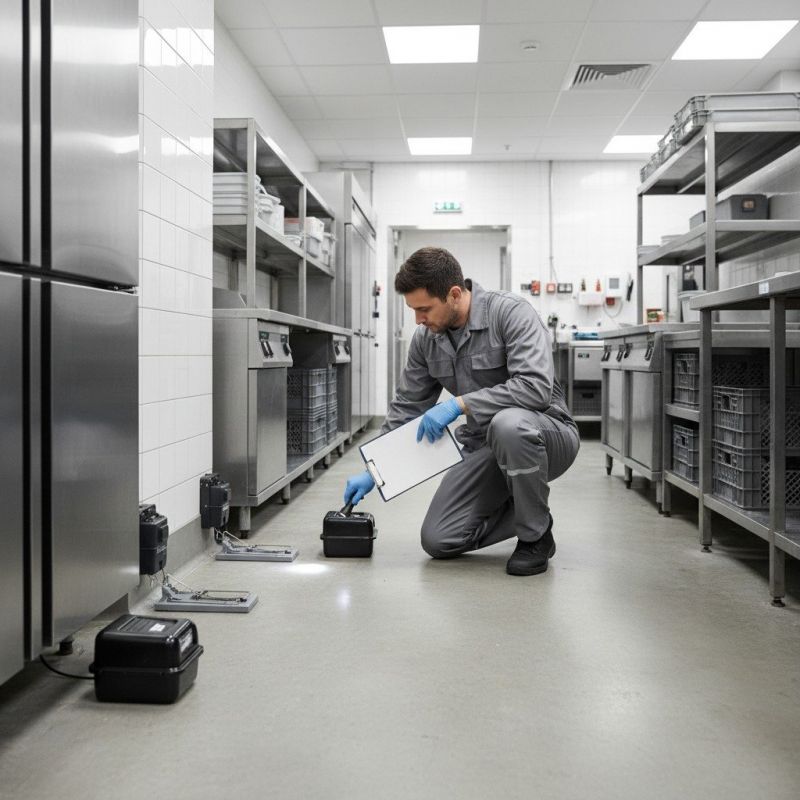
When evaluating service providers for commercial small animal control, it is important to consider their experience with similar projects. Local contractors who have handled cases comparable to the specific needs of a commercial property are more likely to understand the unique challenges involved. An experienced professional will be familiar with the types of animals commonly encountered in commercial settings, as well as effective strategies for humane removal and prevention. This background can help ensure that the project is managed efficiently and that the solutions implemented are appropriate for the scale and scope of the work.
Clear written expectations are essential when comparing local pros for commercial small animal control services. A reputable contractor should be able to provide detailed descriptions of the services they offer, including the methods used, the scope of work, and any follow-up or prevention measures. Having this information in writing helps prevent misunderstandings and ensures that all parties are aligned on what will be delivered. It also provides a reference point should questions or concerns arise during or after the project, contributing to a smoother process overall.
Reputable references and good communication are key factors to consider when selecting local contractors for commercial small animal control. Service providers with a history of successful projects and satisfied clients can offer insights into their reliability and professionalism. Additionally, effective communication throughout the process-whether it involves clarifying project details, addressing questions, or providing updates-can make a significant difference in the overall experience. Choosing a provider who demonstrates transparency and responsiveness helps build confidence that the project will be handled competently and with attention to the specific needs of the commercial property.
Property owners often search for why commercial small animal control requires professional expertise when they are planning practical projects around their homes and businesses. Local pros provide Commercial Small Animal Control services for everyday jobs and straightforward project options.
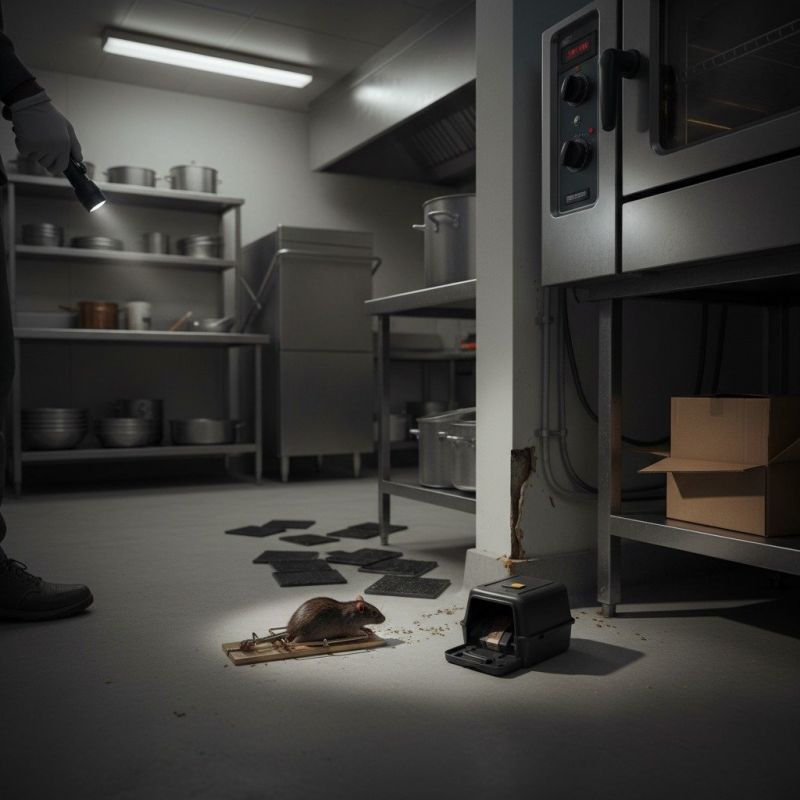
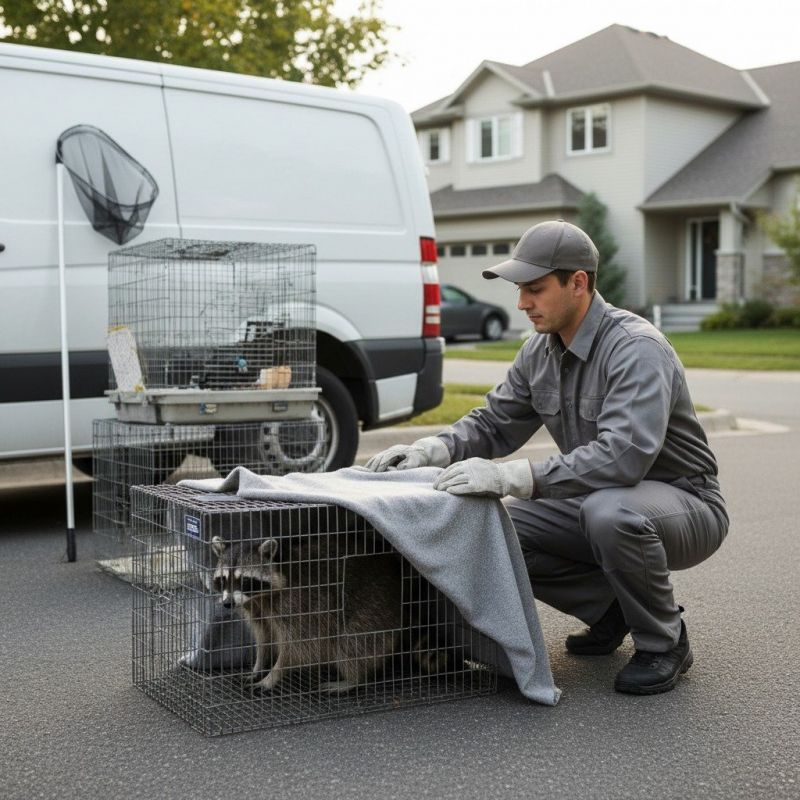
When managing commercial properties, encountering small animals such as rodents, raccoons, or other wildlife can pose unexpected challenges. Property owners often find themselves facing situations where animals have entered buildings, damaged structures, or created sanitation concerns. These everyday project situations highlight the importance of relying on experienced service providers who understand the complexities of small animal behavior and control methods. Local contractors specializing in commercial small animal control are equipped to handle these issues efficiently, helping property owners address infestations safely and effectively.
Choosing professional expertise for commercial small animal control is essential because these situations often require more than simple traps or deterrents. Property owners may underestimate the risks involved in handling wild animals or the potential for damage to property and health. Local service providers have the knowledge to assess the extent of the problem, implement appropriate control measures, and prevent future issues. This ensures that commercial spaces remain secure, clean, and compliant with local regulations, making professional small animal control services a practical solution for ongoing property management.
Why is professional expertise necessary for commercial small animal control? Commercial small animal control requires specialized knowledge to identify different species, understand their behaviors, and implement effective removal methods that prevent recurrence.
How do local contractors ensure safe and effective animal removal? Local service providers have experience handling various situations, allowing them to use appropriate tools and techniques that minimize property damage and ensure safety.
What makes professional small animal control more reliable than DIY methods? Professionals are trained to assess the extent of the problem accurately and apply proven strategies, reducing the risk of incomplete removal or property harm.
Why is expertise important in identifying the causes of animal infestations? Experienced contractors can pinpoint entry points and attractants, helping to address root causes and prevent future issues more effectively.
How do local service providers handle complex or large-scale animal control jobs? They have the resources and knowledge to manage complex situations safely and efficiently, ensuring thorough removal and property protection.
Understanding animal behavior - professionals can identify common signs of small animal activity and help property owners implement effective exclusion methods.
Proper trapping techniques - local contractors use specialized tools and methods that safely and humanely remove animals without causing damage.
Preventive measures - experts can recommend structural repairs and habitat modifications to keep animals from returning.
Legal and safety considerations - experienced service providers ensure control efforts comply with regulations and minimize risks to people and property.
If you are thinking about why commercial small animal control requires professional expertise for a property, this guide is meant to help you understand this topic, the typical project types, and how different options might fit your plans.
When you are ready, you can use the quote form on this page to share a few details about your project. From there, local pros can review the basics and follow up with options that match what you have in mind.